
Primary Classroom
Three years. One mixed-age community. A foundation that grows with the child.
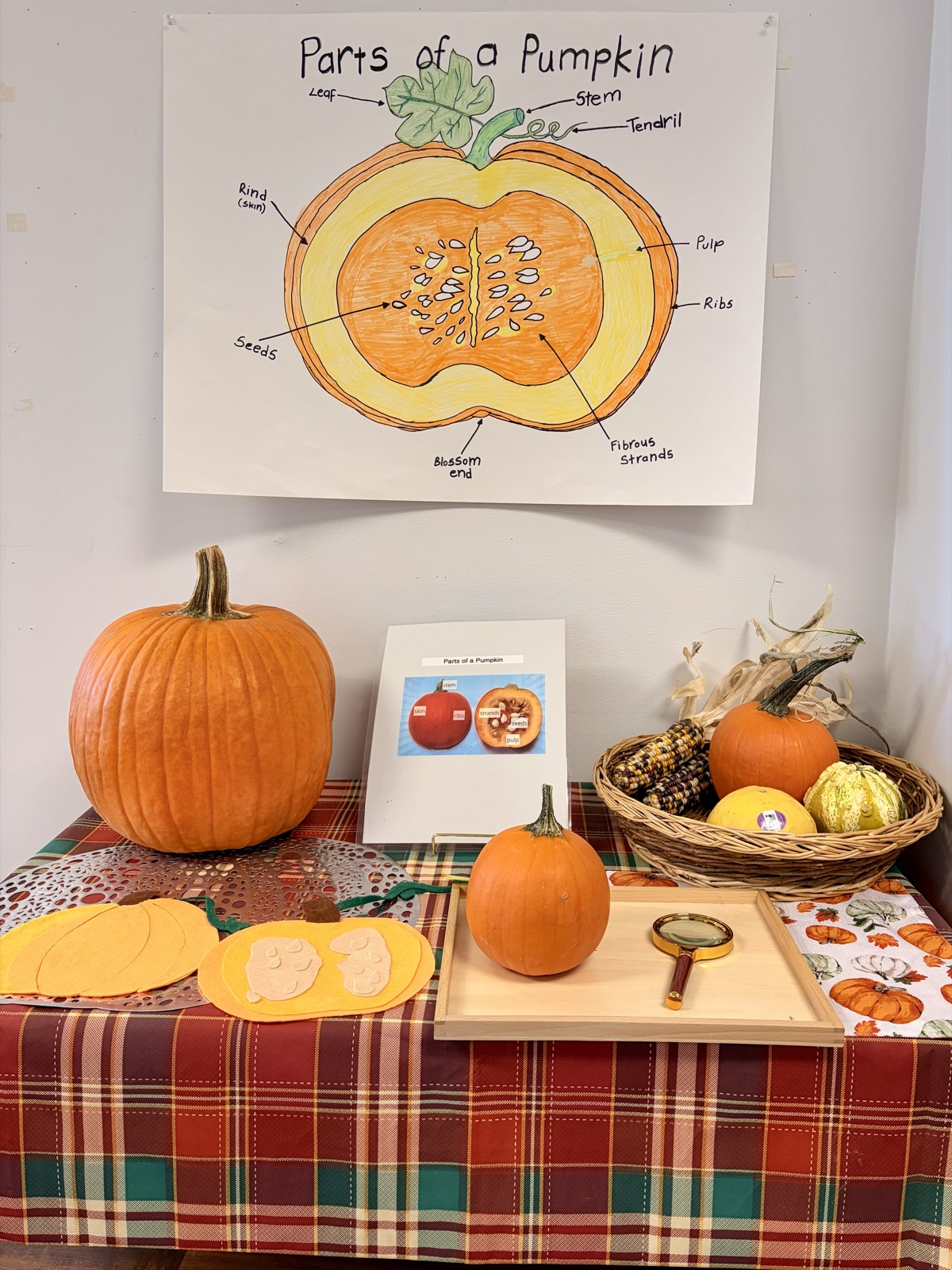
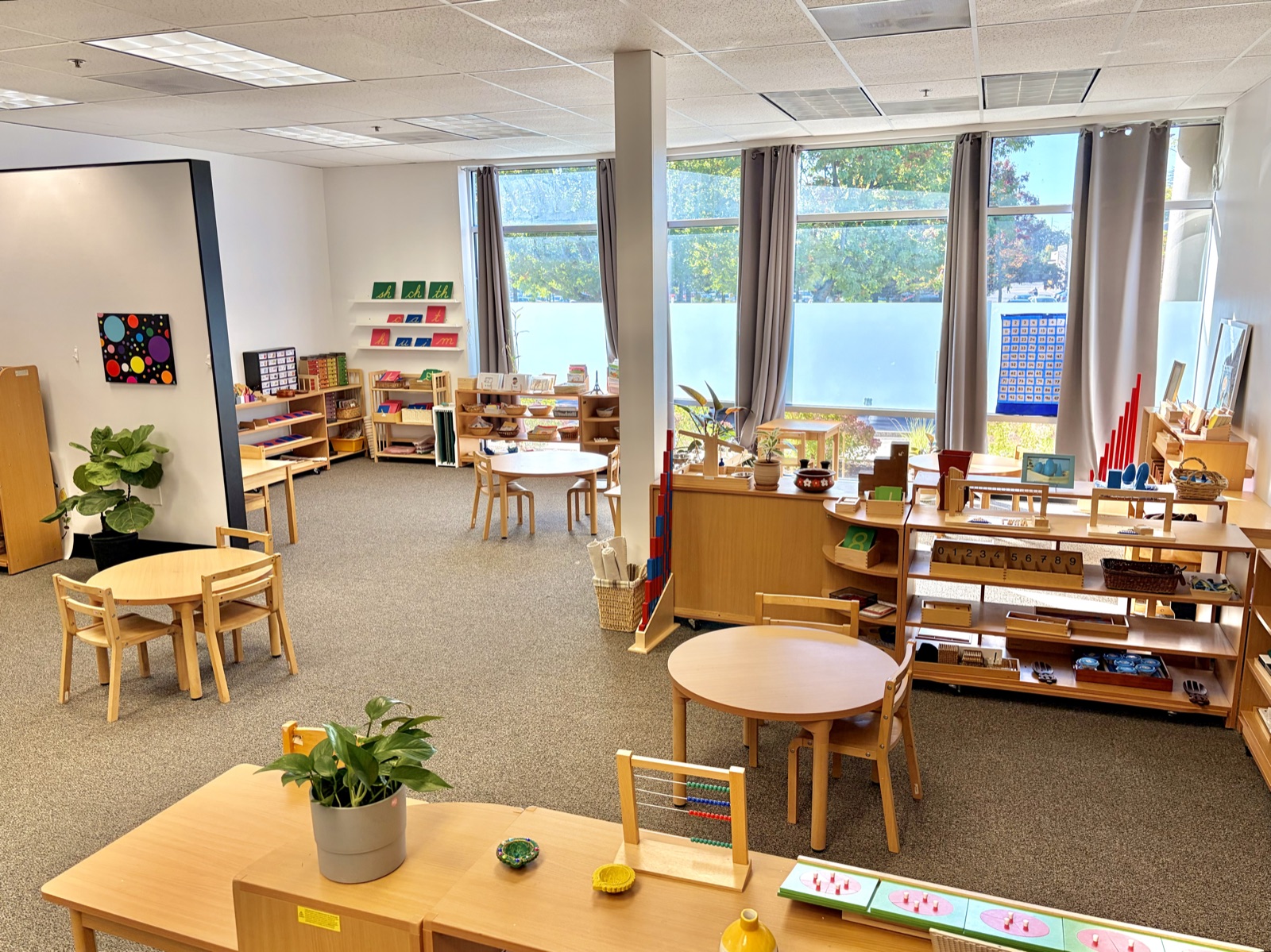
A mixed-age community for ages three to six
The Primary classroom is a carefully prepared, mixed-age environment designed for children ages three to six. The room is organized into familiar Montessori areas, Practical Life, Sensorial, Language, Mathematics, and Cultural Studies, with materials arranged on open shelves in a thoughtful progression from simple to more complex.
Everything has a purpose and a place. Child-sized furnishings, orderly materials, and freedom of movement allow children of different ages to work independently alongside one another. A three-year-old may be polishing brass while a five-year-old writes a story, each following their own interests, readiness, and pace.
Over the course of the three-year Montessori cycle, children grow from observers and explorers into confident, capable members of the community. They revisit familiar materials with greater understanding, take on increasingly complex work, and eventually become role models for younger classmates, practicing Grace and Courtesy, responsibility, and leadership through everyday life.
With a 1:10 adult-to-child ratio, the environment allows the guide to observe closely and give individualized lessons while leaving space for children to develop independence, concentration, and collaboration. Children learn not only from their guide and the materials, but from watching, helping, and working alongside one another.
This is where the depth of authentic Montessori truly comes to life.
Five areas of the Primary classroom
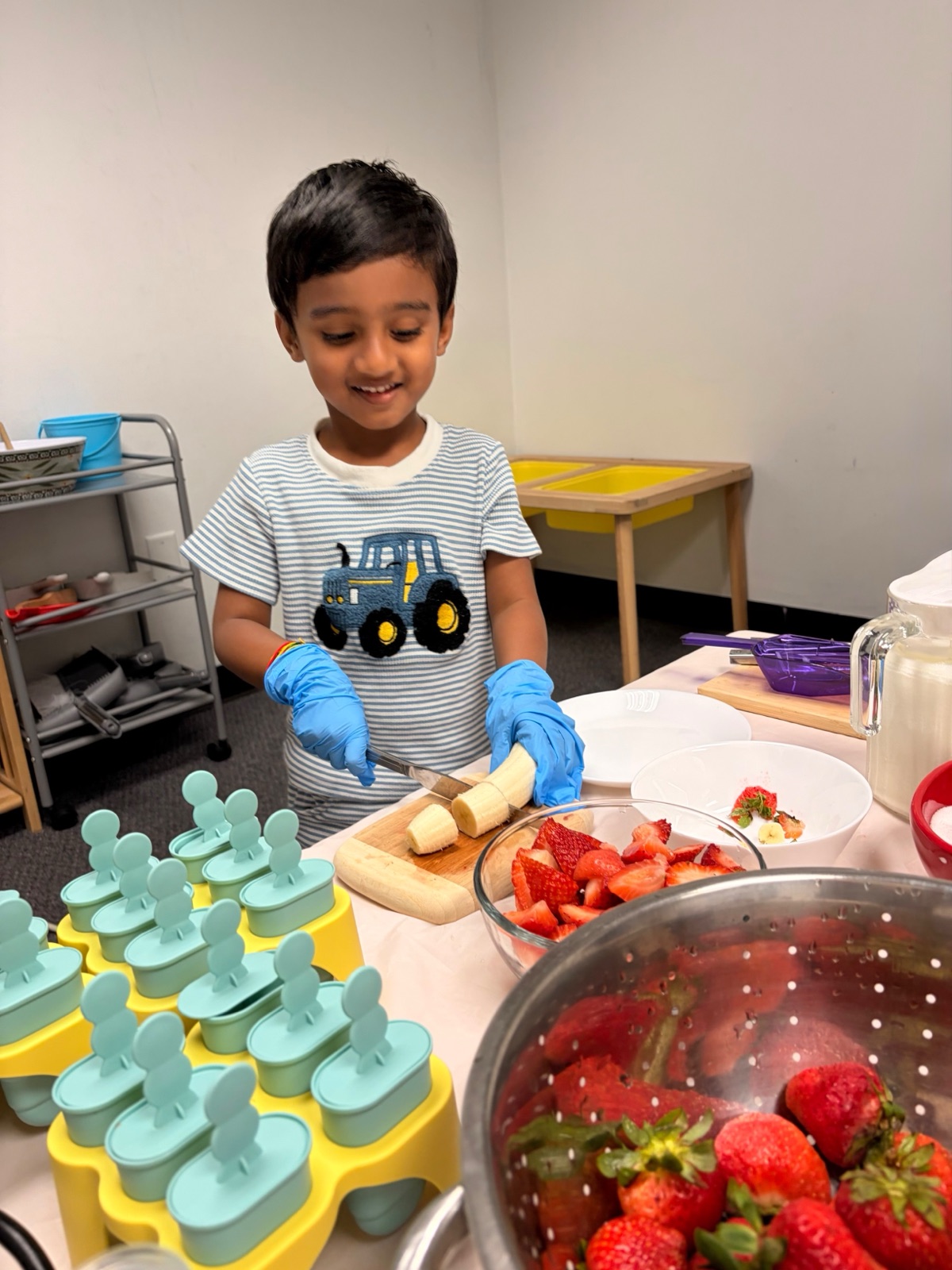
Practical Life
Real work with real purpose.
Children learn through meaningful, everyday activities: moving with care and purpose, getting dressed, preparing food, caring for themselves and their classroom, practicing kindness and courtesy, and expressing themselves creatively.
Through this hands-on work, children build independence, concentration, coordination, confidence, and a genuine sense of responsibility.
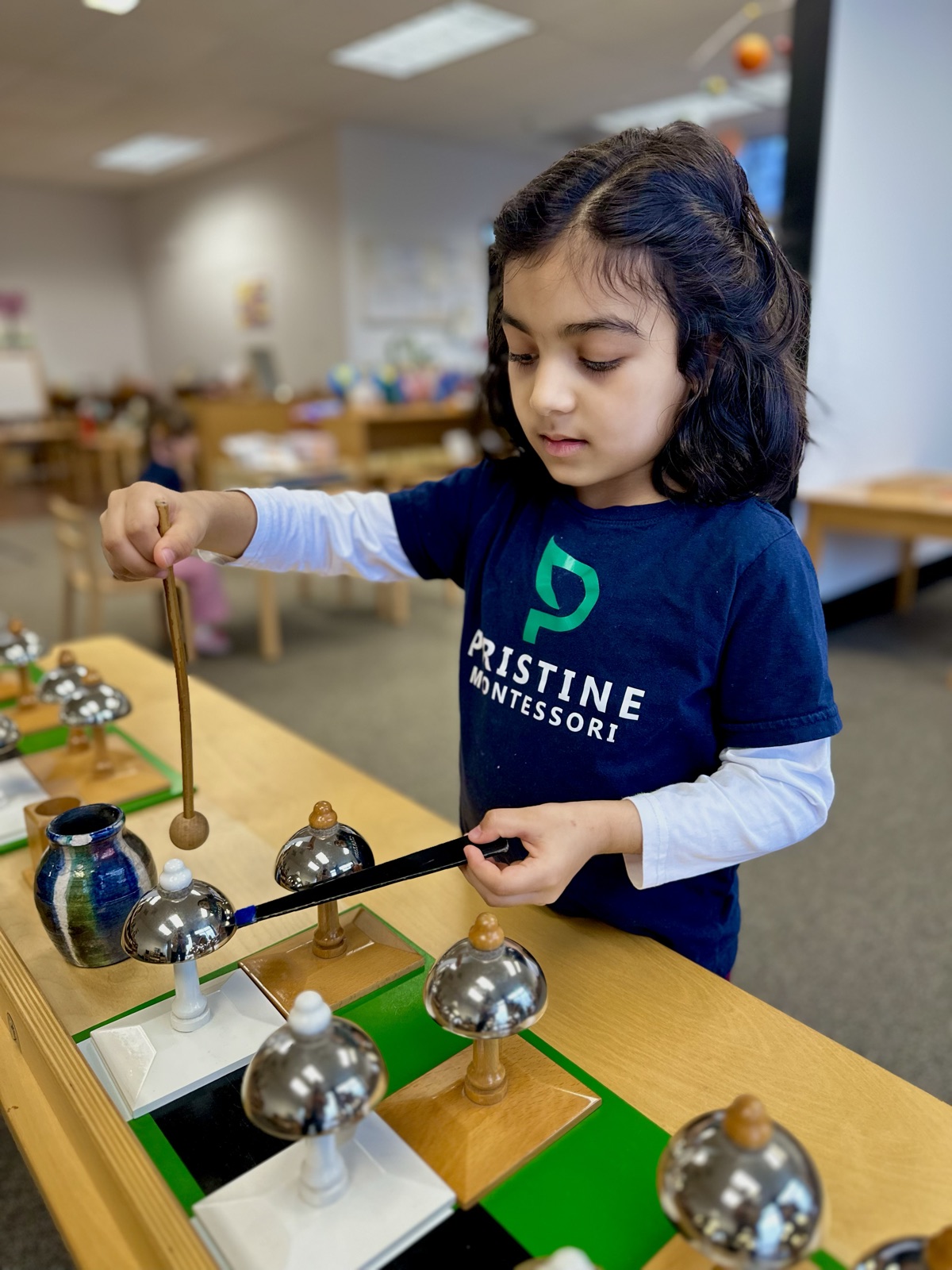
Sensorial
Refining the senses. Building the mind.
Through iconic Montessori materials such as the Pink Tower, Color Tablets, and Sound Cylinders, children isolate and refine their senses while developing visual discrimination, auditory discrimination, stereognostic awareness, and a sense of order.
Language
From spoken language to confident reading and writing.
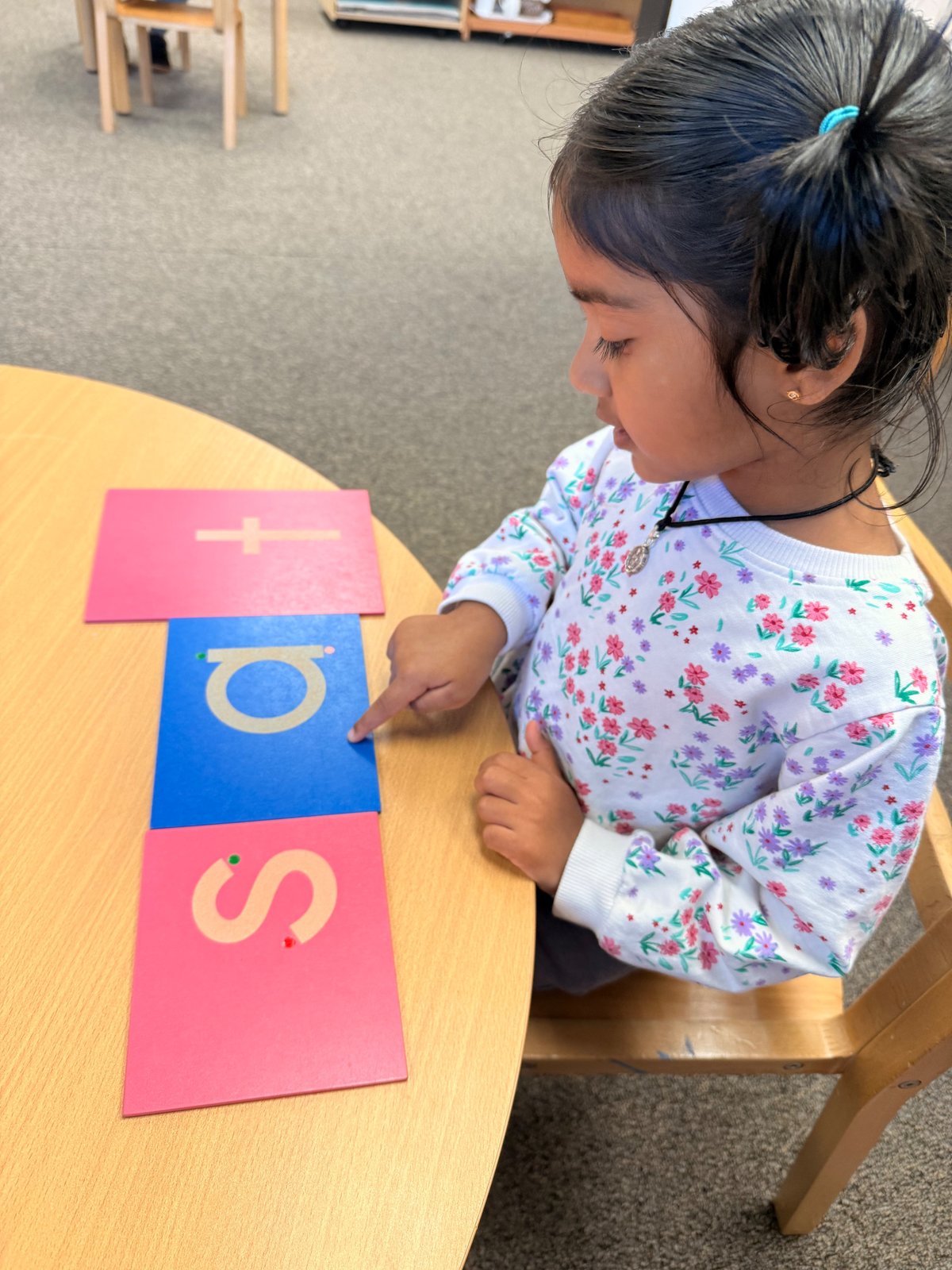
Language begins with rich conversation, vocabulary, and phonological awareness, then moves into the Sandpaper Letters, where children connect sounds with their written symbols through visual, auditory, and tactile learning.
Through three-period lessons, the Moveable Alphabet, phonetic reading, and carefully sequenced materials, children gradually move from spoken language to reading, writing, and comprehension, following an individualized path based on their readiness and interests.
Mathematics
From hands-on discovery to confident mathematical thinking.
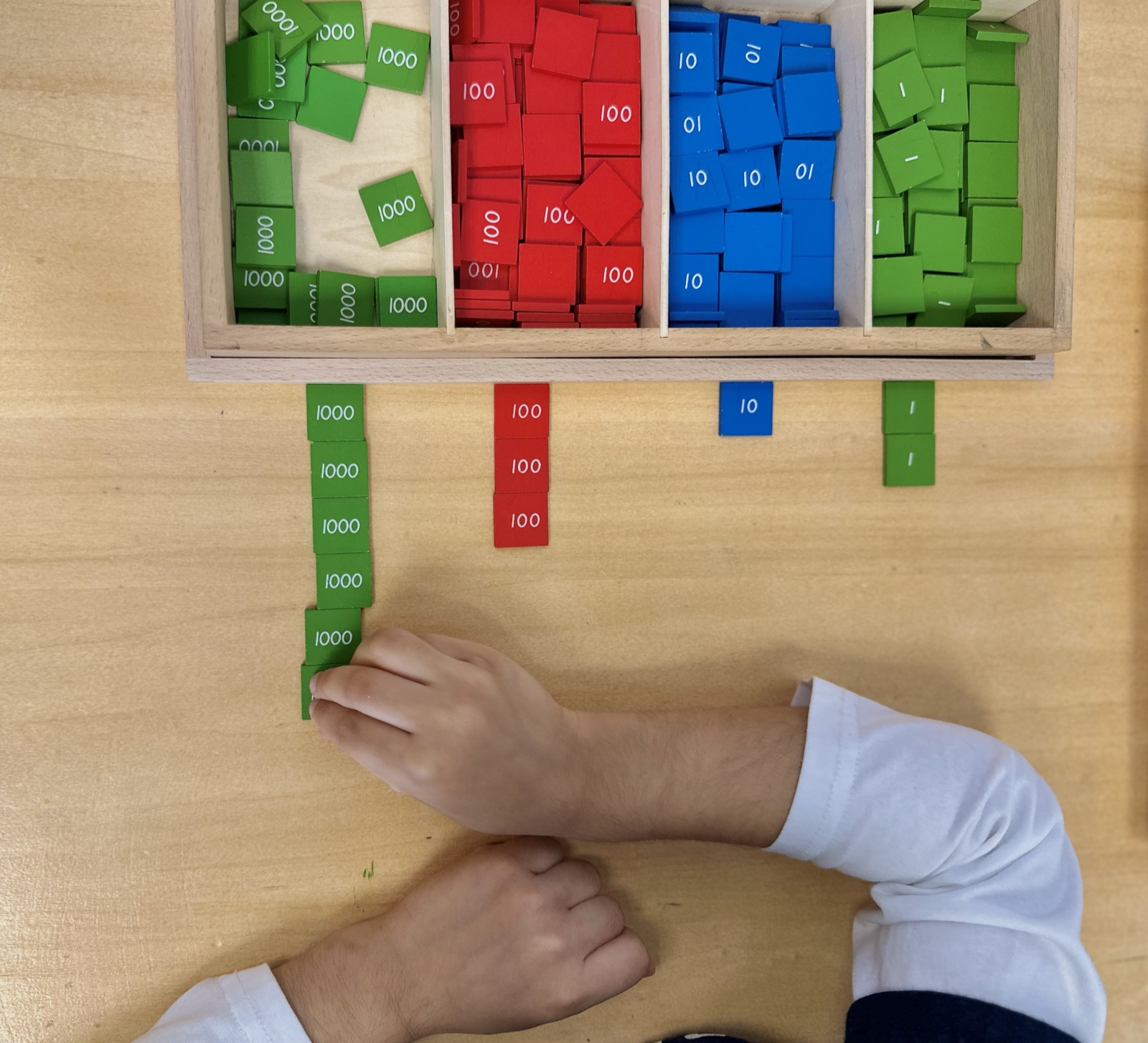
Children begin with concrete Montessori materials such as the Number Rods, Sandpaper Numerals, Spindle Boxes, and Golden Beads, building a clear understanding of quantity, number, place value, and the decimal system.
As their understanding develops, children progress through basic operations, group math activities, and fractions, gradually moving from hands-on materials to mental and abstract mathematical thinking.
This carefully sequenced Montessori progression develops number sense, mathematical reasoning, independence, and confidence. By moving from concrete materials to mental and abstract work, children build a deep understanding of mathematical relationships, laying the foundation for curiosity, mastery, and a love of numbers.
Cultural Studies
Discovering the world and our place within it.
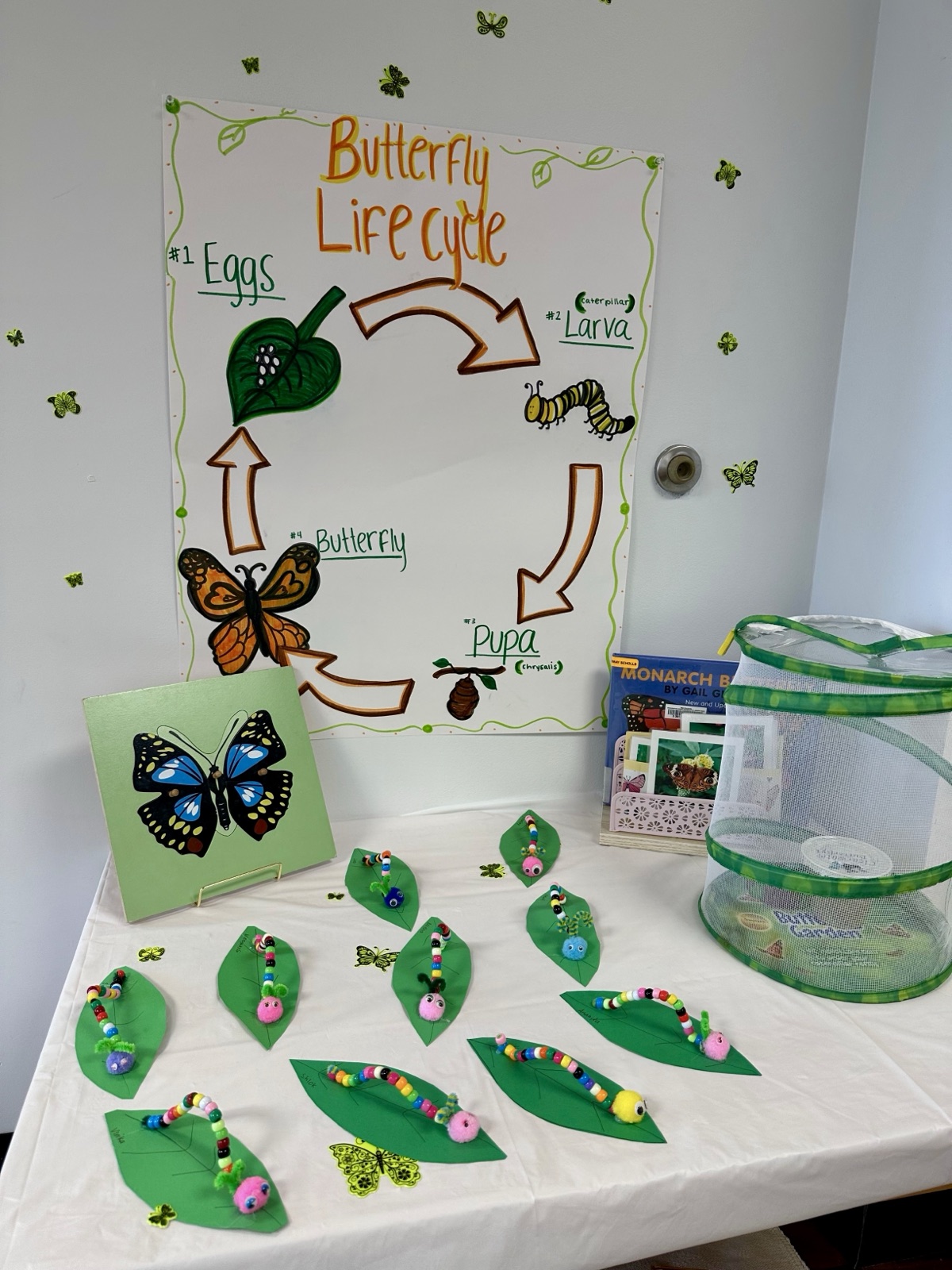
Montessori Cultural Studies invites children to explore geography, plants and animals, science, history, art, and music as connected parts of the world they live in.
With hands-on materials such as Globes and Puzzle Maps, Land and Water Forms, Botany and Zoology materials, Leaf Cabinets, and Timelines, children explore real places, living things, cultures, and the passage of time.
These experiences encourage children to ask questions, notice connections, care for the natural world, and develop a growing sense of wonder and respect for the world around them.
A thoughtful presence in the child's journey
Ms. Marianne
Lead Guide, AMI Certified
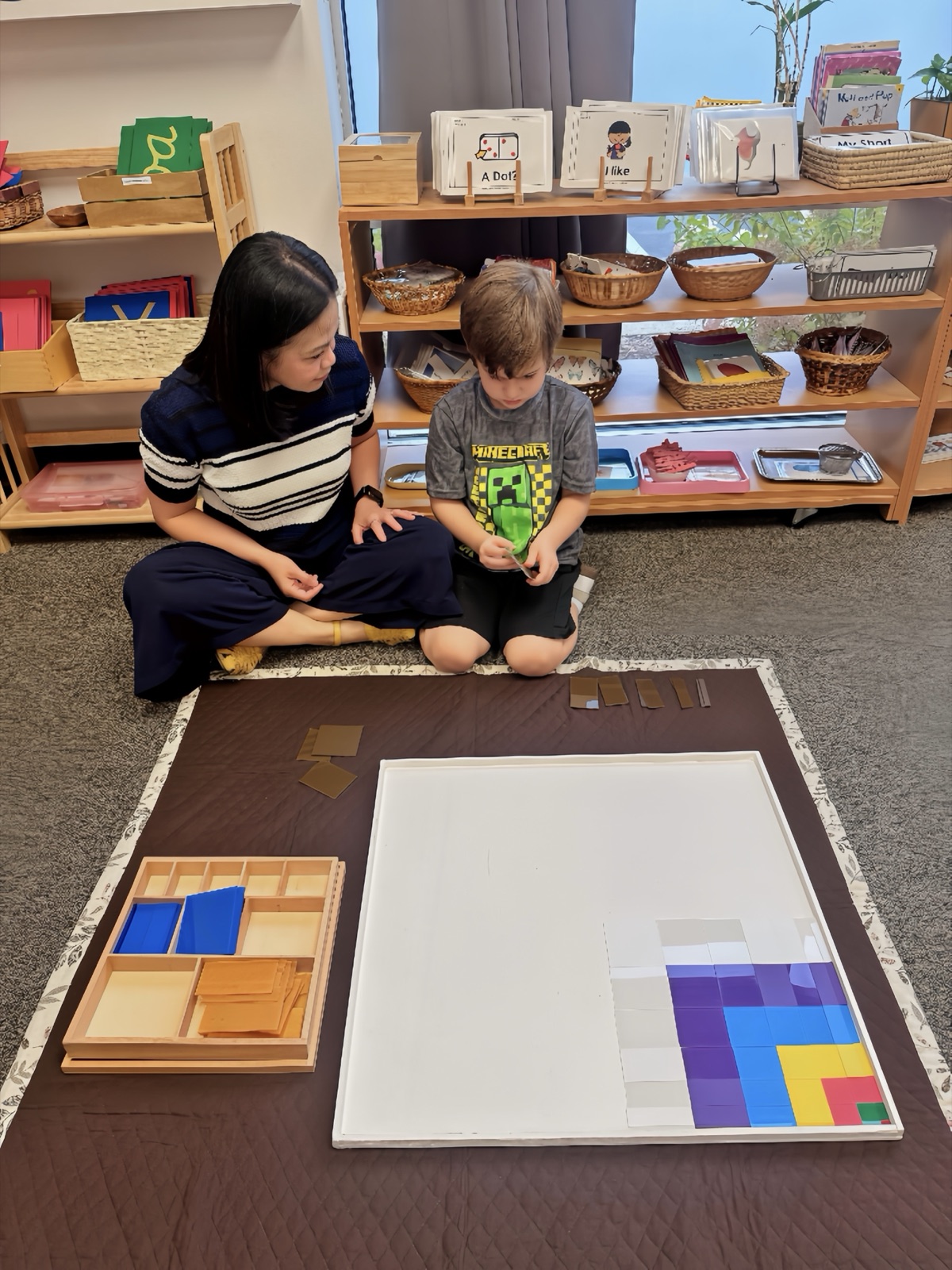
At Pristine Montessori, Ms. Marianne serves as the Lead Guide in the Primary classroom, creating an environment where children feel known, supported, and trusted to grow at their own pace.
Ms. Marianne follows each child's lead, carefully observing their interests, readiness, and development while providing the freedom and clear boundaries they need to grow. This balance of freedom within limits allows each child to develop independence, confidence, and a genuine ownership of their learning.
She carefully prepares the environment so that children can find what they need, make meaningful choices, and work with increasing independence. Materials are thoughtfully arranged, maintained, and presented in sequence, creating a classroom that feels calm, inviting, and purposeful.
Lessons are given individually and with care. After a presentation, the guide steps back, allowing the child to explore, repeat, make discoveries, and experience the satisfaction of mastering something independently.
Within the three-year mixed-age community, Ms. Marianne becomes a consistent and trusted presence, celebrating progress, offering encouragement, modeling Grace and Courtesy, and gently helping children learn to care for themselves, one another, and their environment.
Her AMI training provides the foundation for this work, while her daily presence brings it to life.
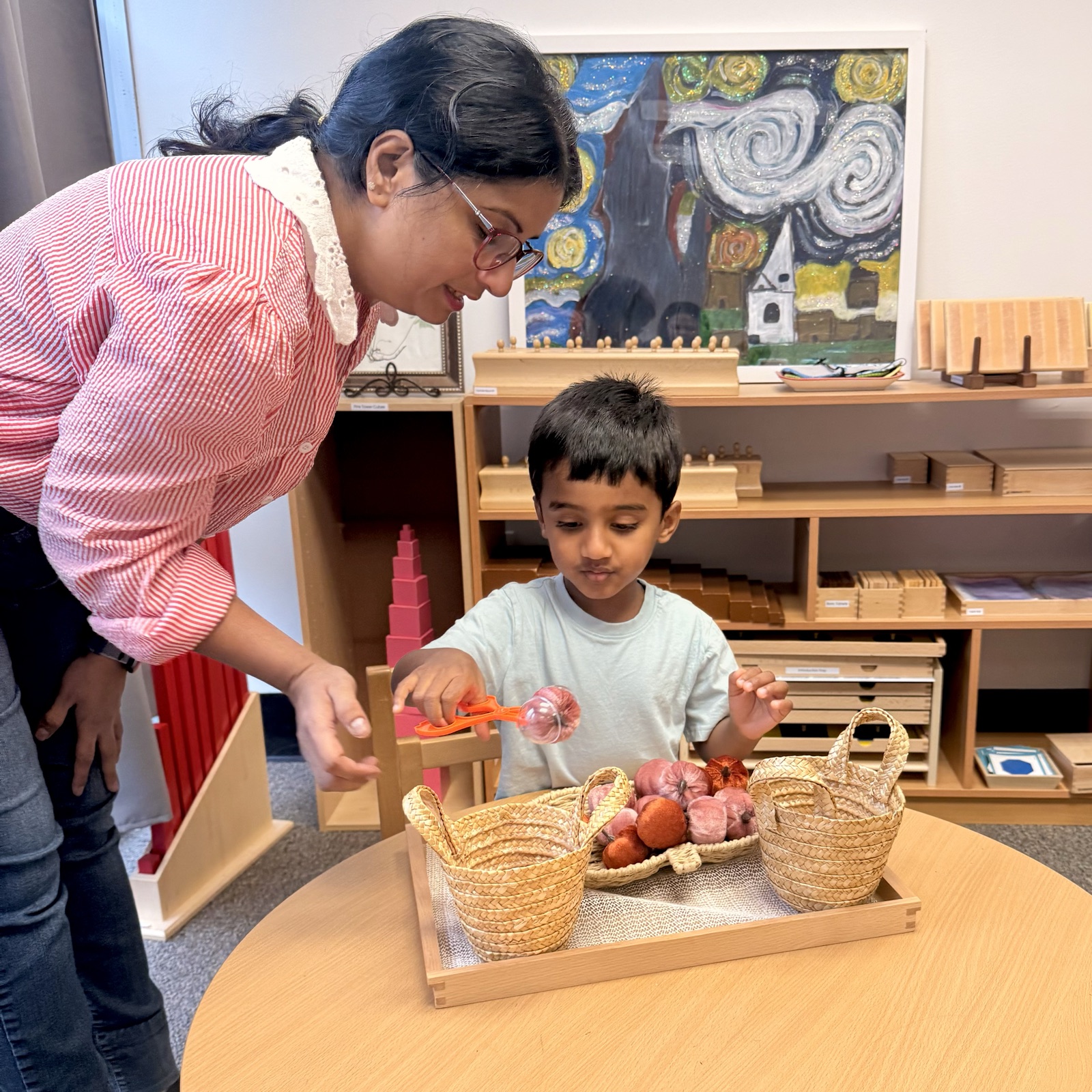
Ms. Payal
Assistant Guide
Ms. Payal works closely with Ms. Marianne to help maintain a calm, orderly, and welcoming Primary environment where children can work with focus and independence.
She is attentive to the rhythm of the classroom throughout the day, helping children care for themselves and their environment, supporting transitions when needed, and ensuring that materials and classroom routines are prepared and maintained with care.
Ms. Payal also works alongside individual children, offering gentle encouragement and guidance while giving them the space to do things for themselves. Whether supporting fine-motor and handwriting work, helping a child navigate the bathroom routine, or preparing the classroom for meals and rest, she contributes to the practical details that allow the Montessori day to flow naturally.
A rhythm designed for the child
The Primary day unfolds with a steady, purposeful rhythm, giving children the time and freedom to choose meaningful work, receive individual lessons, and grow in independence.
Time to concentrate. Freedom to grow. A community that grows together.
| 8:00 am | Arrival and morning greeting |
| 8:00 to 11:00 | Three-hour work cycle across the five areas |
| 9:30 | Morning snack |
| 10:40 | Outdoor and indoor play |
| 11:45 | Lunch and half-day pick up |
| 12:30 | Nap or quiet time |
| 2:00 | Afternoon work cycle and gathering time |
| 2:45 | Afternoon snack |
| 3:15 | School-day pick up |
| 3:15 to 5:00 | Extended care |
| 5:00 pm | Full-day pick up |
Bathroom time is offered between transitions or as needed.
Primary tuition
2026/2027 school year. All amounts per month.
| Program 5 days a week | Half day Pick up 11:45 | School day Pick up 3:15 | Full day Pick up 5:00 |
|---|---|---|---|
| Primary (3 to 6 years) | $1,250 | $1,400 | $1,600 |
| Program 4 days a week | Half day Pick up 11:45 | School day Pick up 3:15 | Full day Pick up 5:00 |
|---|---|---|---|
| Primary (3 to 6 years) | $1,150 | $1,300 | $1,450 |
Frequently asked questions
What does the year before kindergarten look like?
It's the year you begin to see everything your child has been working toward come together. Your child reads and writes with growing confidence, works with numbers and increasingly complex math concepts, and takes on longer projects with focus and independence.
They also begin to help, guide, and inspire younger children, developing responsibility, confidence, and a strong sense of belonging in the community.
It is a meaningful final year of the three-year Montessori cycle, a time to grow, contribute, and feel ready for what comes next.
Is there a separate Pre-K program?
No, and that is intentional. Primary is one mixed-age community for children ages 3 to 6, rather than separate programs by age.
Each child works at their own pace, with lessons and materials matched to their readiness, interests, and stage of development. Younger children learn by observing older classmates, while older children grow through greater responsibility, independence, and leadership.
How does my child learn to read?
Montessori builds reading one step at a time. It begins with listening and playing with sounds, helping children notice the sounds they hear in words. With the Sandpaper Letters, they connect those sounds to letters by seeing, hearing, and tracing them.
Once they know enough letter sounds, the Movable Alphabet lets them put letters together to make words, even before their handwriting is ready.
From there, children begin reading simple words, building sentences, and gradually reading longer and more complex words. As reading becomes easier, they can focus more on understanding and enjoying what they read.
Sounds, then letters, then words, then sentences, then confident reading.
Can my child start mid-year?
Yes, when space is available. Our mixed-age Primary community makes it possible for children to join throughout the year rather than waiting for a new school year to begin.
The guide takes time to help each new child settle in, build relationships, and find their place in the community.
What if my child is ready for more advanced work early?
The guide observes each child's readiness, interests, and mastery and introduces the next lesson when they are ready. A child who has mastered one concept can move naturally to the next, whether that means more advanced reading, mathematics, or other Montessori lessons offered in the environment.
Come see the Primary classroom.
Tours take about an hour, weekdays at 10:30 am and 2:30 pm. Ms. Marianne loves questions.
Book a Tour